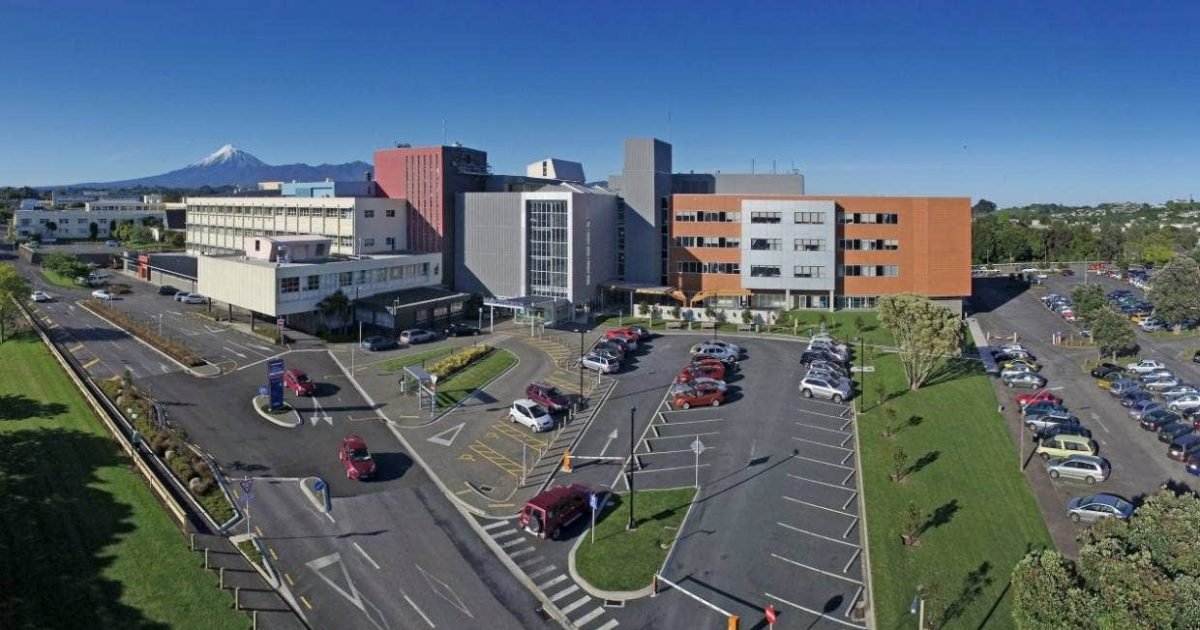
Hospital work is delivered around the service, not the other way round. Wards stay open, theatres keep running and the work has to fit the windows the clinical teams can give you. Compliance upgrades in particular carry a hard requirement at the end of them, so the programme has to be real.
In 2025 I was project manager on Health New Zealand’s regional fire and plumbing infrastructure programme and on building projects at Waikato Hospital.
Putting a regional programme in order
The programme covered fire and plumbing infrastructure across hospitals in the region, more than $30M of work between them. Before any of it could be delivered it had to be put in an order the region could fund and resource. On the fire side alone that was more than 20 projects across 9 hospital sites, each at a different stage. Some had design and consent done. Some hadn’t been scoped.
Every project was scored against the same questions. Which clinical areas it affects. Whether there’s a plan B if the system fails, a manual fallback or nothing at all. The condition of the system. The risk, the consequence and what’s driving it, whether that’s age, compliance or a building consent that lapses if nothing happens. Each got a priority from 1 to 5, recommended next steps and a procurement route, taken to the project control group to agree.
The dependencies mattered as much as the scores. Some projects couldn’t start until another one had, like new access hatches into a services riser that had to go in before the pipework behind them could be replaced.
What I did on this project
- Regional fire and plumbing infrastructure programme, more than $30M across multiple hospital sites. Prioritisation, investment briefs, consultant engagement and governance reporting
- Gisborne Hospital fire compliance upgrade
- Waikato Hospital, Lomas building roof remedial waterproofing, $450k
- Waikato Hospital, Histology and Crystal Lab refurbishment, over $1M
Project details
| Location | Waikato, Gisborne and hospital sites across the region |
| Other parties | Health New Zealand (client) |
Engagement
Roles listed are held personally. On some contracts I was engaged as a subconsultant to the lead consultant. References available on request.